More Cowbelt
Custom Gait belts
![]()
" Creating scrumtrulescent gait belts for healthcare professionals"
*A portion of all proceeds will be donated to the American Macular Degeneration Foundation, www.macular.org
To celebrate our 1st Anniversary we are taking 10% off our most popular patterns May 13th-May 31st! Click on the "Shop Now" tab to view sale patterns.
Thank You for all your support!


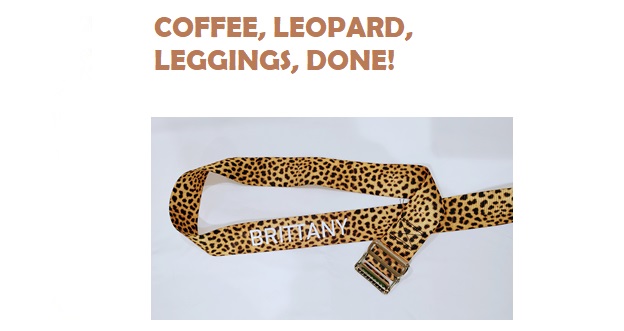
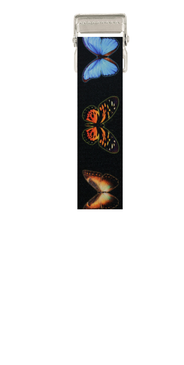
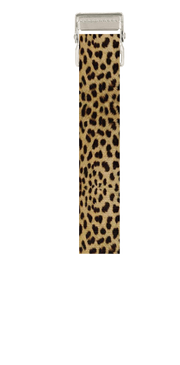
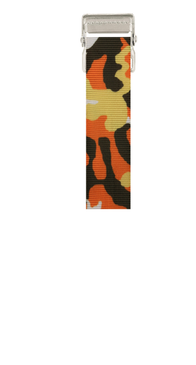
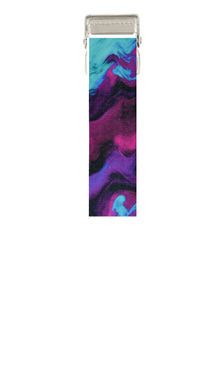
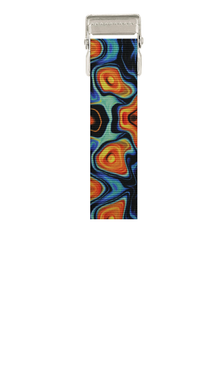
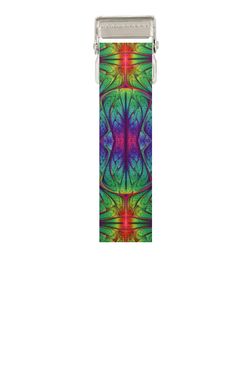
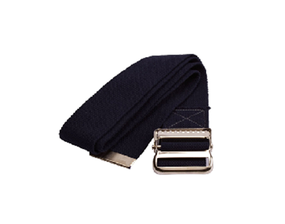
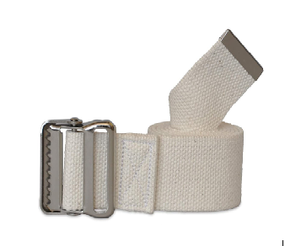
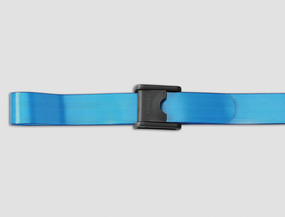
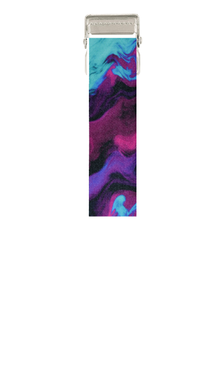
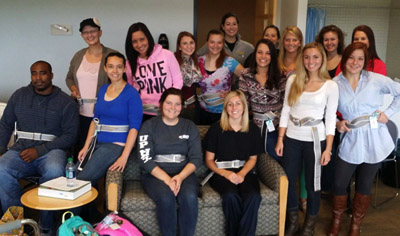
A gait belt is also known as a transfer belt. A gait belt is an apparatus used to move or transfer people or patients from one place or position to another (for ambulation). For example you would use a gait belt to move a patient from a wheel chair to their bed or a standing position. The gait belt is customarily made out of cotton webbing and a durable metal buckle on one end. Our gait belts also have custom fabrics that look great and help to identify the gait belt of transfer belt as exclusively YOUR belt.
The purpose for a gait belt or transfer belt is to put less strain on the back of the care giver and to provide support for the patient. These devices are typically used in nursing homes, long term care facilities, rehabilitation facilities, a hospital, or other healthcare facilities of this nature.
The following is instructional text from the U.S. Government Agency, OSHA website (cited below)
Transfer from Sitting to Standing Position; Ambulation
Description: Gait belts/transfer belts with handles
When to Use: Transferring residents who are partially dependent, have some weight-bearing capacity, and are cooperative. Transfers such as bed to chair, chair to chair, or chair to car; when repositioning residents in chairs; supporting residents during ambulation; and in some cases when guiding and controlling falls or assisting a resident after a fall.
Points to Remember: More than one caregiver may be needed. Belts with padded handles are easier to grip and increase security and control. Always transfer to resident's strongest side. Use good body mechanics and a rocking and pulling motion rather than lifting when using a belt. Belts may not be suitable for ambulation of heavy residents or residents with recent abdominal or back surgery, abdominal aneurysm, etc. Should not be used for lifting residents. Ensure belt is securely fastened and cannot be easily undone by the resident during transfer. Ensure a layer of clothing is between residents' skin and the belt to avoid abrasion. Keep resident as close as possible to caregiver during transfer. Lower bedrails, remove arms and foot rests from chairs, and other items that may obstruct the transfer.
For use after a fall always assess the resident for injury prior to movement. If resident can regain standing position with minimal assistance, use gait or transfer belts with handles to aid resident. Keep back straight, bend legs, and stay as close to resident as possible. If resident cannot stand with minimal assistance, use a powered portable or ceiling-mounted lift device to move resident.
http://www.osha.gov/ergonomics/guidelines/nursinghome/final_nh_guidelines.html